Photography Rules for Saint Petersburg Museums and Cathedrals
A practical guide to Photography Rules for Saint Petersburg Museums and Cathedrals.
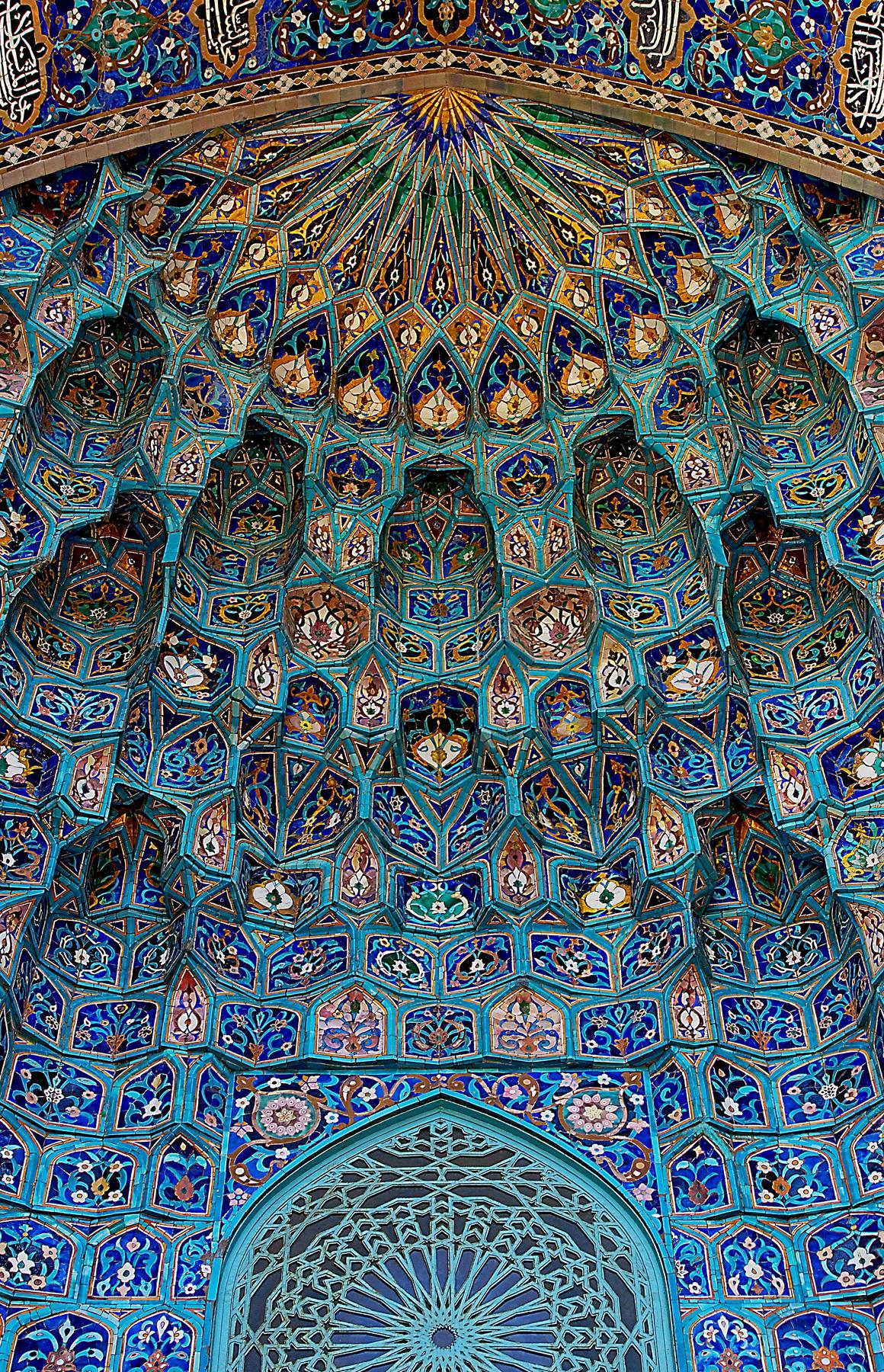

What to expect when photographing inside Saint Petersburg landmarks
Saint Petersburg's grand museums and cathedrals hold some of the most photographed interiors in Russia, but each institution sets its own rules for cameras. The core distinction almost everywhere is between casual, handheld photography and anything that looks professional or staged. Understanding that line before you walk through the door will save you from awkward conversations with gallery attendants and keep your visit running smoothly.
the guidance covers the four major museum complexes that travellers ask about most often: the State Hermitage Museum, the State Russian Museum, the cathedral group that includes St Isaac's and the Church of the Savior on Spilled Blood, and the Peter and Paul Fortress. The information draws directly from each institution's published visitor regulations, and you should always check those official pages shortly before your visit because permit fees and detailed clauses can be revised.
The State Hermitage Museum
The Hermitage takes a generous approach to casual photography. In most halls you can take still photos and video for personal use with a smartphone or a standard camera, and you do not need to buy an extra ticket to do so. That freedom covers the vast majority of the permanent collection that visitors come to see.
What the museum prohibits is anything that changes the shooting environment or risks the artworks. Flash is not allowed anywhere. Tripods, selfie sticks, additional light sources and any other special equipment are also banned during amateur photography. The rule is straightforward: if your setup requires you to set something on the floor or introduces extra light into the room, leave it at your hotel.
Three areas are completely off-limits for cameras. You cannot photograph or film inside the Treasure Gallery, which includes the Gold Room and the Diamond Room. The same blanket prohibition applies to temporary exhibitions and to the Restoration and Storage Centre known as Staraya Derevnya. If you are heading to any of those spaces, expect to put your camera away entirely.
Staged amateur shoots follow a different path. Wedding photography, costume sessions and similar arranged photo shoots require a special ticket. This permit is separate from standard entrance tickets and covers groups of no more than five people, including the photographer. The museum publishes the current fee on its official photo-rules page, and you should verify that figure before planning a shoot because it can change.
Any photography or filming intended for commercial use, publication or broadcast needs prior written approval from the museum administration. That process is entirely separate from the amateur rules and you should begin it well ahead of your intended visit date.
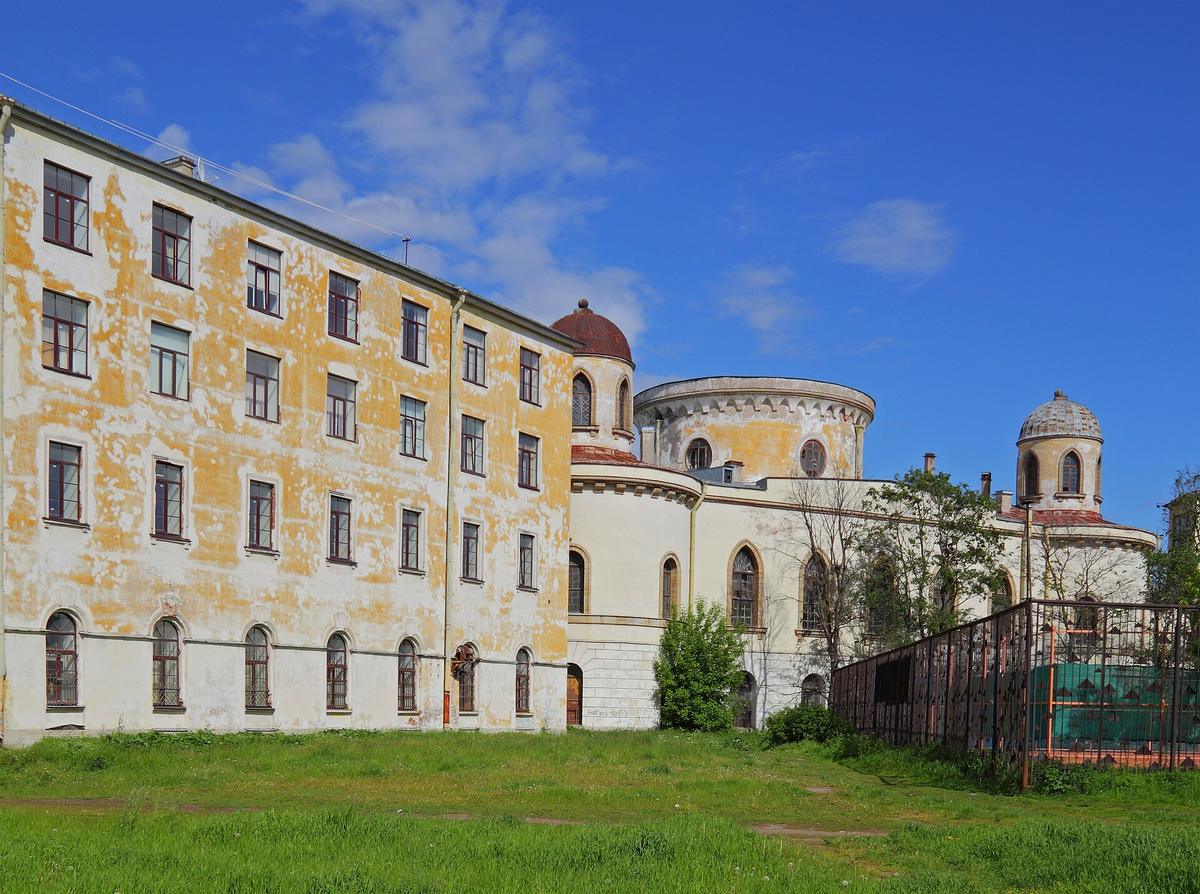

The State Russian Museum
The Russian Museum draws a sharper distinction between phone cameras and everything else. Amateur photography and video recording are allowed at the permanent exhibitions, but the equipment you use determines whether you pay an extra fee. Mobile-phone photography does not require an additional permit. If you want to use any other type of camera, even a compact point-and-shoot, the museum requires a paid permit.
Regardless of which camera you use, the same restrictions apply: no flash, no tripods, no additional lighting and no auxiliary devices including selfie sticks. The museum's visitor guidelines, approved by internal order, list these prohibitions explicitly.
Temporary exhibitions are treated differently. Photography and video recording using professional equipment are prohibited at temporary shows. For the permanent exhibitions, professional filming requires a special pass issued by the State Registration Service for the Museum Collection. If you are carrying anything that looks like professional gear, plan on needing that pass even in the main galleries.
The permit fee for non-phone cameras is a mutable detail. The museum's visitor rules were last updated by an order dated 6 February 2026, and any subsequent amendments would appear on the official website. Check the current rate before you visit rather than relying on a number quoted elsewhere.
St Isaac’s Cathedral and the Church of the Savior on Spilled Blood
These two iconic churches fall under a single management structure, the State Museum "St Isaac's Cathedral," and share a consistent set of photography rules. Amateur photography and video recording are permitted inside both buildings and on the Colonnade of St Isaac's, provided you do not use tripods, additional lighting or any auxiliary devices. Handheld shooting with a phone or camera is fine.
The critical restriction to note is that amateur photography and video recording of temporary exhibitions are prohibited at all museum objects managed by this institution. If a special exhibition is running inside either cathedral, you cannot photograph it. The permanent interiors remain open for personal photography under the standard rules.
Professional photography and video recording at any of these sites require written permission from the museum director. This applies equally to St Isaac's Cathedral, its Colonnade and the Church of the Savior on Spilled Blood. The visitor rules were last amended on 28 April 2025, and you should check the official document for any subsequent revisions before arranging a professional shoot.
Peter and Paul Fortress
The State Museum of the History of St Petersburg, which operates the Peter and Paul Fortress, keeps its photography rules relatively simple. Amateur photography for personal use is permitted without additional equipment. Flash photography, however, is prohibited on all exhibitions, both permanent and temporary. Drones are also banned across the site.
These rules were approved by an internal order dated 7 August 2024. The straightforward policy means you can document your visit to the fortress grounds and interior displays with a handheld camera or phone, as long as you disable the flash and keep any extra gear packed away.
How to prepare before you go
Museum photography policies in Saint Petersburg share common themes but differ in the details that matter. A phone camera gives you the most flexibility across all four institutions: it requires no extra permit at the Russian Museum, no special ticket at the Hermitage, and is welcomed at the cathedrals and the fortress. If you plan to carry a dedicated camera, budget for a permit at the Russian Museum and confirm the current fee on its official visitor-guidelines page before your trip.
For any visit that involves more than casual snapshots, identify the responsible authority and check its published rules directly. The Hermitage maintains a dedicated photo and video rules page. The Russian Museum posts its visitor guidelines online. The State Museum "St Isaac's Cathedral" publishes its rules as a downloadable document. The State Museum of the History of St Petersburg lists its conditions on its official site. A quick check of these sources a few days before your visit will catch any fee changes or rule amendments that postdate the guidance.
Sources and verification
- ermitagemuseum.ru — Research source checked for this guide
- en.rusmuseum.ru — Research source checked for this guide
- app.rusmuseum.ru — Research source checked for this guide
- cathedral.ru — Research source checked for this guide
- spbmuseum.ru — Research source checked for this guide
Read next
-

 Mid-Range Hotels: Comfortable Stays Without Breaking the Bank
Discover the best mid-range hotels in Saint Petersburg, offering a balance of comfort, location, and value. From boutique hotels on Nevsky Prospekt to modern apartments, find affordable stays that don't skimp on quality.
-
 Best Areas to Stay in Saint Petersburg: A District Guide
Discover the best areas to stay in Saint Petersburg, from the historic centre around Nevsky Prospekt to the artsy streets of Petrograd Side. This guide covers neighborhoods, hotels, transport links, and local tips for every budget.
-
 Current Flight Routes to Saint Petersburg from Europe and Asia
A comprehensive guide to current flight routes connecting Saint Petersburg with major European and Asian hubs. Includes airline details, estimated prices, booking tips, and entry requirements.
-
 Saint Petersburg Things to Do Beyond the Hermitage and the Main Sights
Saint Petersburg rewards slowing down. Discover canal-side walks, local food halls, rooftop views, and quiet neighbourhoods beyond the Hermitage crowds.
-
 White Nights in Saint Petersburg: What Actually Happens
Discover the reality of the White Nights in Saint Petersburg, from astronomical twilight and bridge schedules to midnight boat trips and street-level logistics. A factual guide to what actually happens during this iconic season.
-
 Saint Petersburg Metro: Lines, Stops, and Tips
A comprehensive guide to the Saint Petersburg Metro: history, line-by-line overview, key stations, practical tips, fares, and connection to city attractions.
-
 The Hermitage and Winter Palace
A detailed guide to the State Hermitage Museum and the Winter Palace in Saint Petersburg, covering must-see collections, ticket prices, practical visiting tips, and how to navigate the complex.
-
 St. Isaac's Cathedral
A detailed guide to St. Isaac's Cathedral in Saint Petersburg, covering its history, architecture, the colonnade observation deck, and the lavish interior. Includes practical visitor information.
-
 Mariinsky Theatre
A practical guide to booking tickets and attending performances at the Mariinsky Theatre in St Petersburg, covering its three stages, typical repertoire, pricing, and tips for visitors.