Palace Square: The Saint Petersburg Stage Where Russian History Happened
Palace Square is the colossal stage where Saint Petersburg's imperial pageantry, revolutionary fury, and festival joy all collided. Here is how to read it.
.jpg)
On prices: figures on this page were researched in September 2026 and are given as bands, not quotes. Russian admission and transport prices move often. Note also that foreign Visa and Mastercard do not work in Russia: what you actually pay with is cash or a locally issued card.
Palace Square: the Saint Petersburg Stage Where Russian History Happened
The mistake most visitors make is treating Palace Square as a transit corridor to the museum ticket line. They cross the cobblestone expanse with heads down, queue, and never notice the square itself is the exhibit. This is the stage where Russian history happened. Bloody Sunday 1905, the October Revolution, the Victory Day parade, the Scarlet Sails concert. All of it played out on this exact ground. Standing here at midnight during the White Nights is a completely different experience from crossing it at midday with cruise-ship crowds. Choose your moment.
- Location: Dvortsovy Okrug district, at the east end of Nevsky Prospekt approach, Admiralteysky district boundary
- Best Time: 10 PM to midnight during White Nights (June, July) for low crowds and 19+ hours of daylight
- Avoid Window: November (dark, wet, cold) and March (thawing slush, dirty snowbanks); also first week of January when Russian holidays shut smaller museums and restaurants
- Avoid Crowds: Midday peak, 11 AM, 2 PM, when cruise-ship crowds arrive; enter the museum at the earliest morning slot (08:30) before tour groups
- Entry Fee: Free for the square itself; timed entry ticket for the museum (book online days ahead, not a third-party bundle)
- Minimum Time: 30 minutes to walk the square and read the events; 2 hours for a full circuit including the Alexander Column, the General Staff Building arch, and the Winter Palace façade
What Palace Square Saint Petersburg Actually is
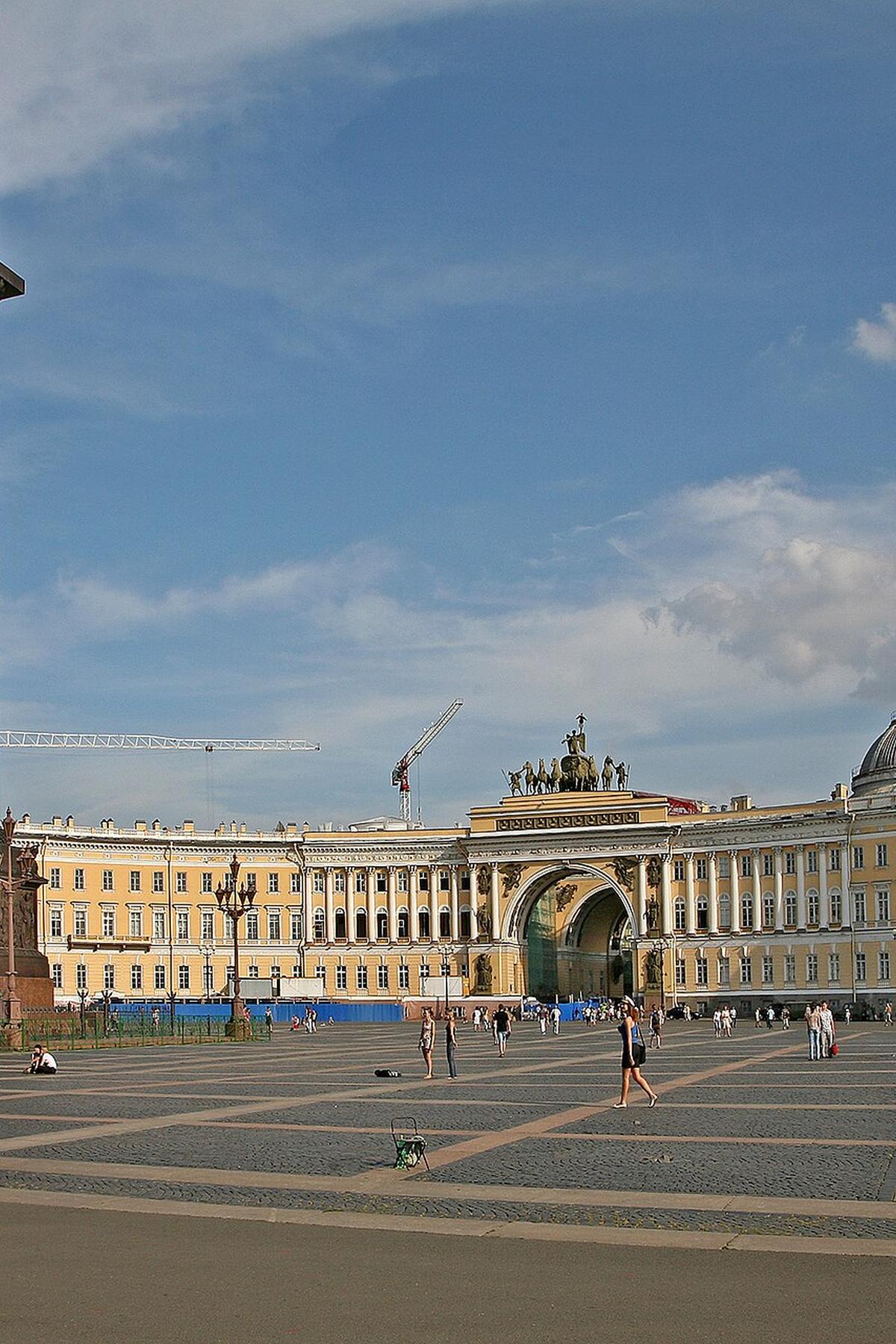
Palace Square is a 9-hectare cobblestone expanse designed by Carlo Rossi in 1819-1829 as the ceremonial heart of the Russian Empire. The Winter Palace façade anchors the north side. The curved General Staff Building wraps the south with its triumphal chariot arch. The Alexander Column rises dead centre. That is the furniture. The real content is the events.
Imperial parades. The Bloody Sunday massacre of 1905. The Bolshevik storming of the Winter Palace in 1917. Soviet Victory Day displays. Now the Scarlet Sails concert every June. Treat the square as a character, not a backdrop. Walk from the Alexander Column to the General Staff Building arch and back. You cover the same ground that soldiers, protesters, and celebrating crowds have covered for two centuries.
Is it Worth It, and Who Should Skip it
Yes, for first-time Russia visitors who want a softer, more European introduction than Moscow. Architecture and art history obsessives will spend hours reading the Winter Palace façade and the General Staff Building proportions. Ballet and classical music pilgrims can pair the square with an evening at the Mariinsky Theatre. Travellers who enjoy long, aimless canal-side walks and late-night summer light will find the square at midnight during the White Nights is a reward the midday crowd never gets.
Skip it if you seek fast-paced, high-energy nightlife. Skip it if you dislike large-scale formal museums. Budget backpackers on a shoestring should know that central costs rival Western Europe. Anyone who needs warm sunny weather should choose June or July and accept the hotel rates and dense crowds that come with peak season.
How to Get in and How to Do it Well
When to Arrive
Arrive at 10 PM during the White Nights (June, July). The sun sets after 11 PM, the museum queue has dissolved, and the cruise-ship crowds have returned to their ships. You will have the Alexander Column to yourself. The cobblestone expanse reads differently in the long dusk light than it does under the midday sun. If you must visit at midday, budget 30 minutes and accept the crowds.
November and March are the avoid windows. November is dark, wet, and cold with no snow to brighten the streets. March brings thawing slush and dirty snowbanks. The first week of January also shuts many smaller museums and restaurants for Russian holidays. Do not plan a square visit then.
Which Entrance to Use
There is no gate for the square itself. Approach from Nevsky Prospekt, walking east past Kazan Cathedral, or from the Admiralteysky district along the Winter Palace embankment. The Nevsky Prospekt approach is the grand one: you see the General Staff Building arch first, then the Alexander Column, then the Winter Palace façade. Take that route on your first visit.
For the museum, book the earliest morning slot online and enter through the north gate on the Winter Palace side. Do not buy a third-party bundle. Book directly days ahead. The museum closes on Monday. The collection is vast and exhausting; pick one wing or a 2-hour highlights route before you enter.
What to Skip
Skip the museum if you only have 30 minutes. Skip the General Staff Building arch if you are short on time; it is a walk-through, not a climb. Skip the Alexander Column selfie and move on if you are in a group. The real value of the square is not any single landmark but reading the events that happened here. Budget 30 minutes to walk, pause at the cobblestone expanse, and imagine the Bloody Sunday crowd and the October Revolution storming.
Winter Palace Square: the Heart of Dvortsovy Okrug
Winter Palace square is the local name for the same space, and it reveals what the square actually is: the courtyard of the tsar's residence. The Winter Palace façade stretches along the north side, a turquoise-and-white baroque profile designed by Bartolomeo Rastrelli in the 18th century. The Dvortsovy Okrug district wraps around it: the palace embankment, the museum wings, the Admiralteysky district beyond.
Do not confuse Winter Palace square with the square itself. It is the same physical space but viewed from the north side. The events are the same: the Bloody Sunday crowd gathered on this side in 1905, the Bolsheviks stormed the Winter Palace from this side in 1917, the Victory Day parade rolls through this side every May 9.
Alexander Column Saint Petersburg: the Centre Point
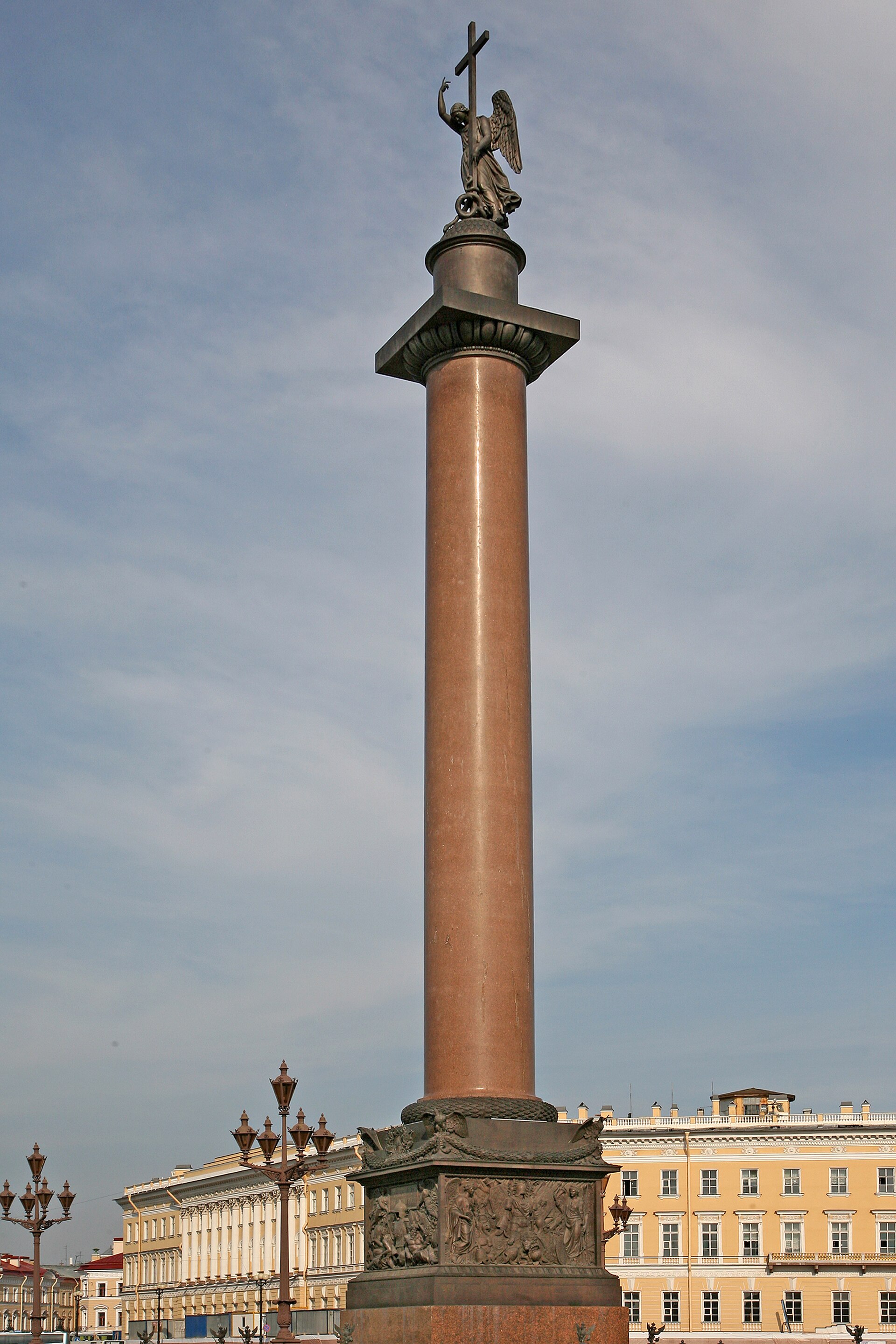
The Alexander Column stands exactly in the middle of the square. A monolith of pink granite erected in 1834 to commemorate the Russian triumph over Napoleon, it rises 47.5 metres. The angel at the top, with a cross, faces the Winter Palace. The column is not anchored to the base; it rests on its own weight. That is the engineering fact. The practical fact: the column is the best orientation point in the square. Stand at its base and you see all four sides. Winter Palace façade north. General Staff Building arch south. Nevsky Prospekt approach east. Admiralteysky district west.
Do not climb it. There is no public access. Use it as a meeting point or a photo reference. The museum queue forms just north of the column. If you are booking the earliest morning slot, arrive at the column, then walk north to the Winter Palace entrance before the tour groups arrive.
Palace Square History: the Events That Happened Here
The square has absorbed three regime changes and dozens of major events. Here are the five that define it.
Bloody Sunday 1905
On January 9, 1905, a peaceful protest of workers walked toward the Winter Palace to present a petition to Tsar Nicholas II. Troops fired into the crowd. Hundreds died. The event shattered the myth of the tsar as protector of the people and triggered the 1905 Revolution. Stand at the south end of the square, near the General Staff Building, and see the line the troops held. The cobblestone expanse does not mark the spot. You have to imagine it.
October Revolution 1917
On October 25, 1917, Bolshevik forces stormed the Winter Palace. The Cruiser Aurora fired a blank shot from the Neva River. The Provisional Government surrendered from inside the palace. The square filled with soldiers and workers. The event marks the start of Soviet power. Walk the same ground from the General Staff Building arch to the Winter Palace entrance in about 90 seconds. That is the distance the Bolsheviks crossed.
Victory Day Parade
Every May 9, the Victory Day parade rolls through the square. Military vehicles and troops cross from Nevsky Prospekt through the General Staff Building arch, past the Alexander Column, and along the Winter Palace façade. The parade commemorates the Soviet triumph in World War II. If you are in Saint Petersburg on that date, arrive at 8 AM. The parade starts at 10 AM and the square fills fast.
Scarlet Sails Concert
The Scarlet Sails concert happens in late June, during the White Nights. A ship with scarlet sails moves along the Neva while a concert plays on the square. The event marks the end of the school year and the beginning of summer. It draws massive crowds. To watch from the square, arrive by 5 PM and stay until midnight. The ship passes around 11 PM. The combination of the White Nights, the concert, and the square at midnight is the experience to aim for.
New Year Fireworks
The New Year fireworks launch from the square. The Winter Palace façade provides the backdrop. Crowds gather from 11 PM onward. The square is open, free, and accessible. If you are in Saint Petersburg for New Year, this is the place to be.
Dvortsovaya Ploshchad: the Russian Name and the Practical Reality
Dvortsovaya Ploshchad is the Russian name for Palace Square. It translates directly to "Palace Square". You will see it on metro maps, street signs, and in the 2GIS offline map app you should install before arrival. The metro does not have a Dvortsovaya Ploshchad station. The nearest stations are Admiralteyskaya (Admiralteysky district) and Nevsky Prospekt (Nevsky Prospekt approach). Both require a 10-minute walk.
The square is part of the Dvortsovy Okrug district. The museum queue forms here. The cruise-ship crowds gather here. The street signs are Cyrillic-only. Learn the alphabet before you arrive. Carry coins for public toilets (30-50 RUB) because they are scarce. Card payments can fail with foreign-issued Visa or Mastercard due to sanctions, so carry ample cash.

The One Question Answered
Why does Palace Square matter to Russian history beyond being the courtyard of a famous museum? Because it is the stage where the Russian Empire fell, the Soviet Union rose, and the modern city celebrates its identity. Bloody Sunday 1905, the October Revolution, the Victory Day parade, the Scarlet Sails concert. All of it happened on this exact ground. The square is not a backdrop. It is a character that absorbed those events and still carries their weight.
Practical Cues: Choosing Your Moment
The square changes completely depending on when you visit. Here is the breakdown.
Midday Peak (11 AM, 2 PM)
Cruise-ship crowds fill the square. The museum queue snakes past the Alexander Column. The cobblestone expanse is a sea of people. You cannot read the events or feel the history. Use this time only if you are queuing for the museum. Book the earliest morning slot (08:30) to avoid it entirely.
White Nights Midnight (June, July, 10 PM, Midnight)
The cruise-ship crowds are gone. The sun sets after 11 PM. The square is nearly empty. Stand at the Alexander Column and see the Winter Palace façade in the long dusk light. The Scarlet Sails concert happens during this window. This is the correct moment to visit.
Victory Day (May 9, 8 AM, 12 PM)
The square fills with military vehicles and spectators. The parade starts at 10 AM. Arrive at 8 AM for a spot. Leave by 12 PM when the crowds disperse.
New Year (December 31, 11 PM, 1 AM)
The square fills for the fireworks. Arrive by 11 PM. Stay until 1 AM. The Winter Palace façade is the backdrop.
November and March
Avoid. November is dark, wet, and cold with no snow. March brings thawing slush and dirty snowbanks. The square is empty for a reason.
What Most Visitors Get Wrong
The most common mistake is treating the square as a corridor to the museum queue. Visitors cross it without stopping, join the queue, spend four hours inside, and leave without ever reading the events that happened on the ground they walked over. The second mistake is visiting at midday during peak season and wondering why the square feels generic. The third: trying to do the museum without a plan. The collection is vast and exhausting. Pick one wing or a 2-hour highlights route, book the earliest morning slot online, and enter before the tour groups. The fourth mistake is ignoring the bridge schedule. The bridges over the Neva draw from 01:00 to 05:00. If you are on the wrong island after midnight, you need a taxi app for a long detour.
One Honest Caveat
Palace Square is one of the most visited public squares in the world. The cruise-ship crowds at midday are real. The museum queue is real. The ticket prices are real, and card payments can fail. The square rewards the visitor who arrives at the right moment and reads the events it absorbed. If you cannot choose your moment, if the only time you have is the midday peak, you will still see the Alexander Column and the Winter Palace façade. You will just miss the experience described here. That is the honest caveat.
Common Questions
Can I walk on the square at any time of day?
Yes, it is a public square with no gates and no closing time. Midnight during the White Nights is the best moment. Midday is the worst.
How do I get to Palace Square from the metro?
Admiralteyskaya station is the closest, a 10-minute walk west along the Admiralteysky district. Nevsky Prospekt station is a 15-minute walk east along Nevsky Prospekt approach.
Is the square free?
Yes. The square itself is free. The museum requires a timed entry ticket booked online days ahead. Do not buy a third-party bundle.
What events still happen on the square today?
The Victory Day parade (May 9), the Scarlet Sails concert (late June), and the New Year fireworks (December 31). The square also hosts occasional concerts and public gatherings.
Read next
-

 Mid-Range Hotels: Comfortable Stays Without Breaking the Bank
Discover the best mid-range hotels in Saint Petersburg, offering a balance of comfort, location, and value. From boutique hotels on Nevsky Prospekt to modern apartments, find affordable stays that don't skimp on quality.
Mid-Range Hotels: Comfortable Stays Without Breaking the Bank
Discover the best mid-range hotels in Saint Petersburg, offering a balance of comfort, location, and value. From boutique hotels on Nevsky Prospekt to modern apartments, find affordable stays that don't skimp on quality.
-
 Best Areas to Stay in Saint Petersburg: A District Guide
Discover the best areas to stay in Saint Petersburg, from the historic centre around Nevsky Prospekt to the artsy streets of Petrograd Side. This guide covers neighborhoods, hotels, transport links, and local tips for every budget.
Best Areas to Stay in Saint Petersburg: A District Guide
Discover the best areas to stay in Saint Petersburg, from the historic centre around Nevsky Prospekt to the artsy streets of Petrograd Side. This guide covers neighborhoods, hotels, transport links, and local tips for every budget.
-
 Current Flight Routes to Saint Petersburg from Europe and Asia
A comprehensive guide to current flight routes connecting Saint Petersburg with major European and Asian hubs. Includes airline details, estimated prices, booking tips, and entry requirements.
Current Flight Routes to Saint Petersburg from Europe and Asia
A comprehensive guide to current flight routes connecting Saint Petersburg with major European and Asian hubs. Includes airline details, estimated prices, booking tips, and entry requirements.
-
 Saint Petersburg Things to Do Beyond the Hermitage and the Main Sights
Saint Petersburg rewards slowing down. Discover canal-side walks, local food halls, rooftop views, and quiet neighbourhoods beyond the Hermitage crowds.
Saint Petersburg Things to Do Beyond the Hermitage and the Main Sights
Saint Petersburg rewards slowing down. Discover canal-side walks, local food halls, rooftop views, and quiet neighbourhoods beyond the Hermitage crowds.
-
 White Nights in Saint Petersburg: What Actually Happens
Discover the reality of the White Nights in Saint Petersburg, from astronomical twilight and bridge schedules to midnight boat trips and street-level logistics. A factual guide to what actually happens during this iconic season.
White Nights in Saint Petersburg: What Actually Happens
Discover the reality of the White Nights in Saint Petersburg, from astronomical twilight and bridge schedules to midnight boat trips and street-level logistics. A factual guide to what actually happens during this iconic season.
-
 Saint Petersburg Metro: Lines, Stops, and Tips
A comprehensive guide to the Saint Petersburg Metro: history, line-by-line overview, key stations, practical tips, fares, and connection to city attractions.
Saint Petersburg Metro: Lines, Stops, and Tips
A comprehensive guide to the Saint Petersburg Metro: history, line-by-line overview, key stations, practical tips, fares, and connection to city attractions.
-
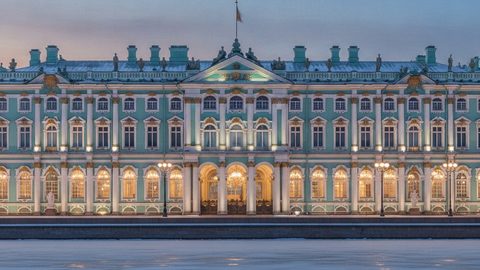 The Hermitage and Winter Palace
A detailed guide to the State Hermitage Museum and the Winter Palace in Saint Petersburg, covering must-see collections, ticket prices, practical visiting tips, and how to navigate the complex.
The Hermitage and Winter Palace
A detailed guide to the State Hermitage Museum and the Winter Palace in Saint Petersburg, covering must-see collections, ticket prices, practical visiting tips, and how to navigate the complex.
-
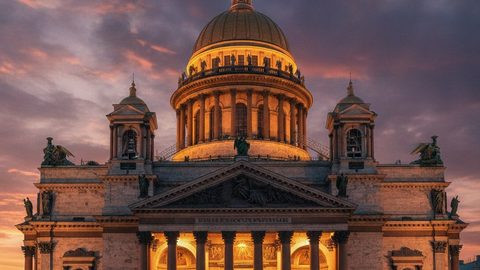 St. Isaac's Cathedral
A detailed guide to St. Isaac's Cathedral in Saint Petersburg, covering its history, architecture, the colonnade observation deck, and the lavish interior. Includes practical visitor information.
St. Isaac's Cathedral
A detailed guide to St. Isaac's Cathedral in Saint Petersburg, covering its history, architecture, the colonnade observation deck, and the lavish interior. Includes practical visitor information.
-
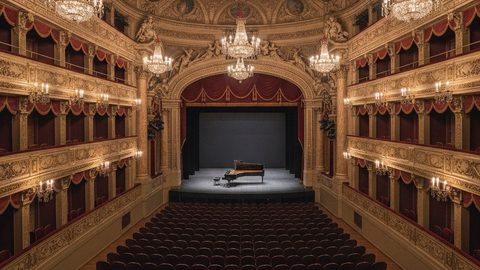 Mariinsky Theatre
A practical guide to booking tickets and attending performances at the Mariinsky Theatre in St Petersburg, covering its three stages, typical repertoire, pricing, and tips for visitors.
Mariinsky Theatre
A practical guide to booking tickets and attending performances at the Mariinsky Theatre in St Petersburg, covering its three stages, typical repertoire, pricing, and tips for visitors.