Peter and Paul Fortress Is Where the City Started and Where Its Tsars Are Buried
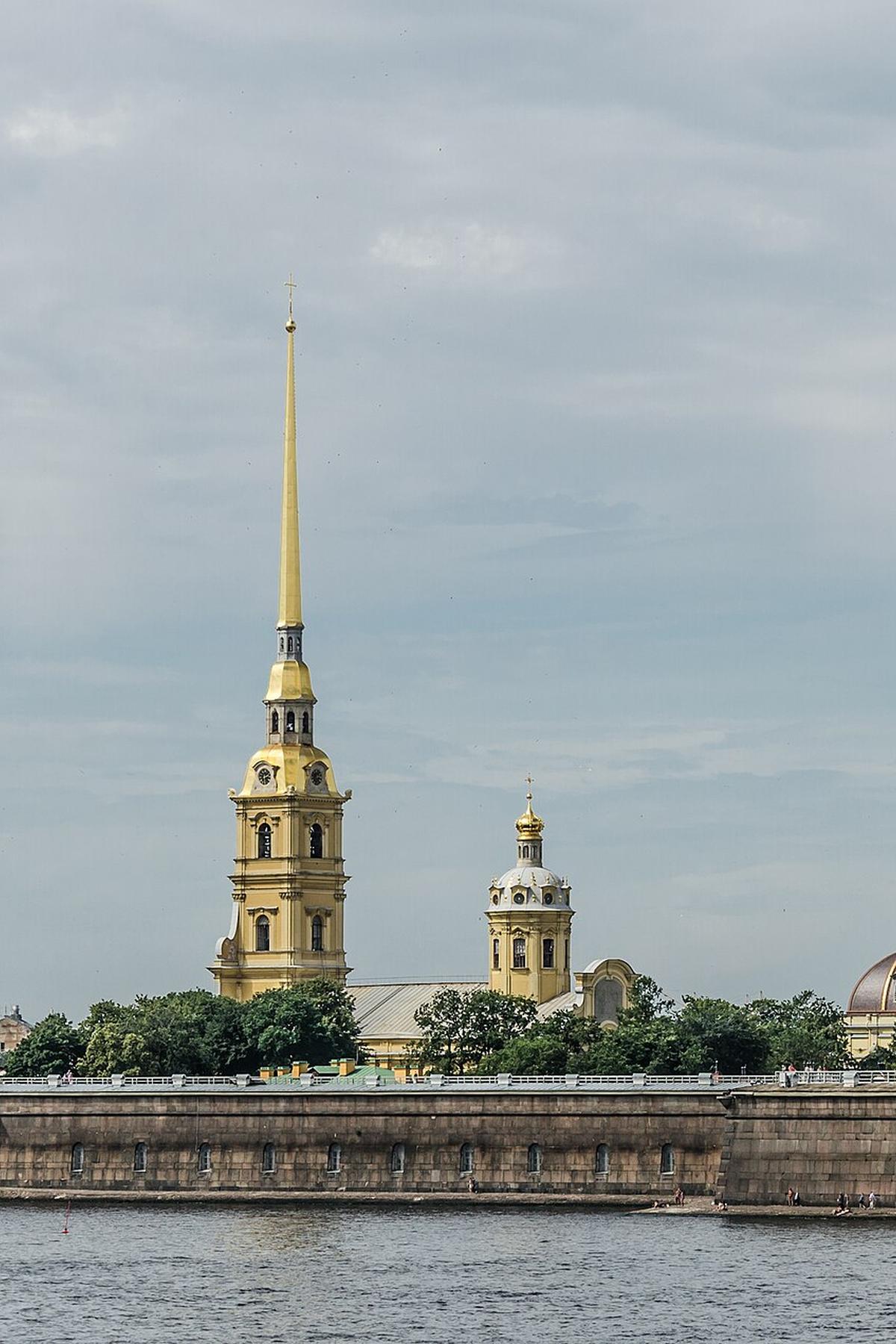

Peter and Paul Fortress is Where the City Started and Where Its Tsars Are Buried
Most visitors treat the Peter and Paul Fortress as a single photo stop: snap the spire from the bridge, step inside the tombs, leave. That approach misses two thirds of the compound. This fortress is a half-day open-air museum on Zayachy Island, threaded by canals and weighed down by a heavy Soviet past. It holds the church where every Romanov ruler from Peter I to Alexander III is buried, a 19th-century solitary-confinement prison where Dostoevsky and Trotsky were held, and a sandy beach on the Neva river where locals sunbathe under the White Nights sky. The trick is to treat it as three separate visits, not one. Arrive early, buy the right ticket, and walk the full loop from the Ioannovsky Bridge to the Neva river beach. The site is a grand, walkable compound of 18th-century ambition, and the real reward comes from slowing down.
- Cyrillic name: Петропавловская крепость
- Founded: 27 May 1703 by Peter the Great on Zayachy Island
- Original purpose: Citadel to secure the Neva River delta during the Great Northern War
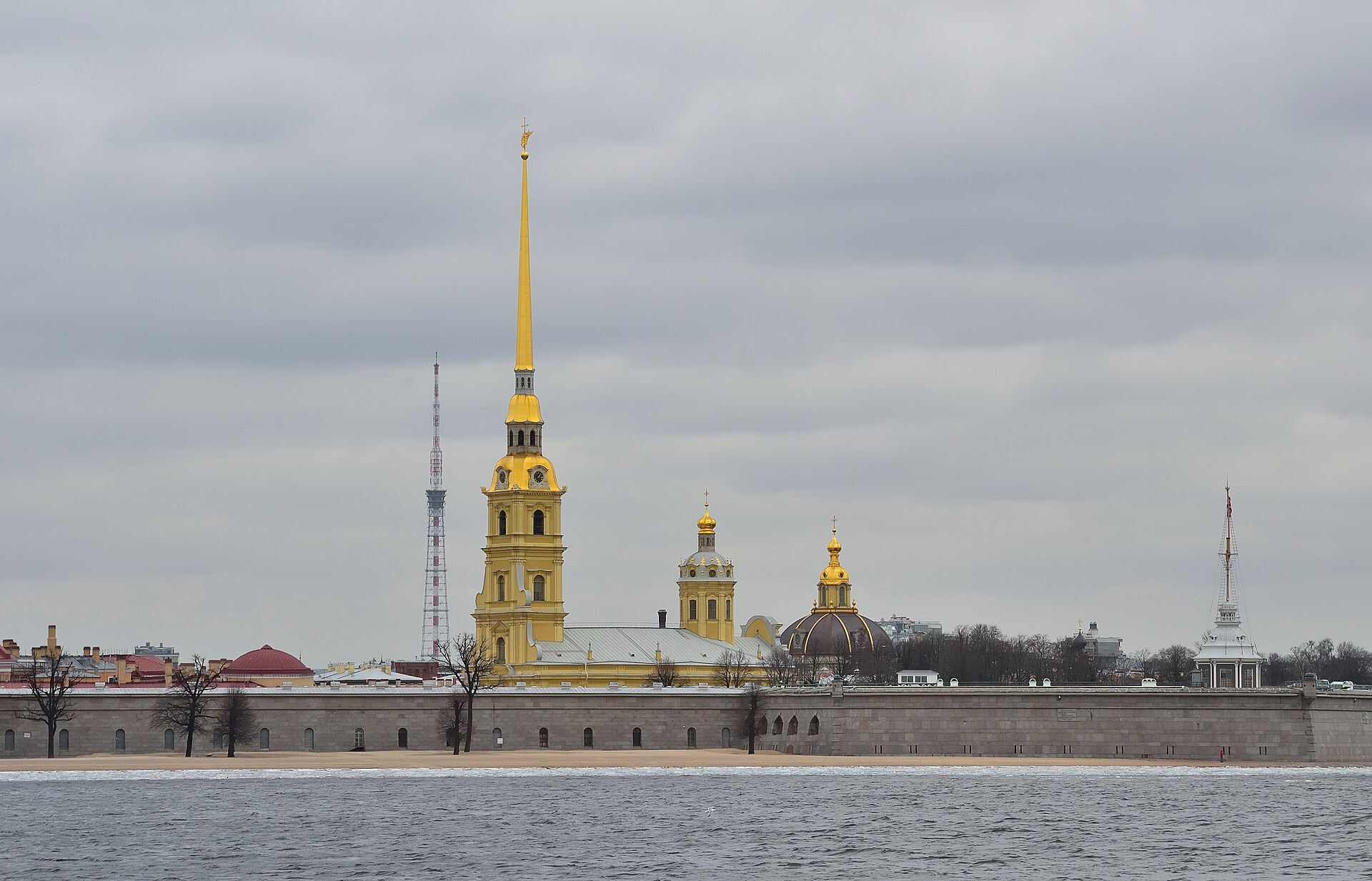
- Cathedral spire height: 122.5 m; gilded copper over a wooden frame, topped with a 3.2 m angel weathervane
- Romanov burials: All rulers from Peter I to Alexander III, plus Nicholas II and family reinterred 17 July 1998
- Prison period: Trubetskoy Bastion, 1872-1921; 69 solitary cells
- Noon cannon: Fired daily at 12:00 Moscow Time from Naryshkin Bastion; tradition dates to 1865 or 1873
- Beach: Sandy strip along the Neva outside the walls; summer sunbathing, winter frozen views
- Managing body: State Museum of the History of St Petersburg
- Wednesday closure: The museum complex is closed on Wednesdays. Do not arrive on a Wednesday.
Peter and Paul Cathedral and the Romanov Tombs
Buy the combined ticket that covers the church interior and the Trubetskoy Bastion prison. The grounds-only ticket lets you onto Zayachy Island and past the ticket office, but it excludes both the interior and all exhibitions. The combined ticket is the efficient choice: you see the two major paying sights for less than buying separate tickets.
What You See Inside The Cathedral
The Saints Peter and Paul Cathedral, built from 1712 to 1733 by Domenico Trezzini, is not a typical Orthodox church. Its 122.5-metre spire dominates the skyline, gilded copper over a wooden frame, topped by a 3.2-metre angel weathervane. The interior is a single nave lined with captured Swedish banners and a gilded iconostasis that reaches almost to the ceiling. The tombs are the draw. Every Romanov ruler from Peter I to Alexander III lies here, except Peter II and Ivan VI. The 1998 reinterment of Nicholas II, Empress Alexandra, and three of their daughters sits in a side chapel. The remains of Tsarevich Alexei and Grand Duchess Maria, identified later, are not interred here. The Grand Ducal Mausoleum, built 1896-1908 beside the church, holds non-reigning Romanovs. A separate ticket covers it, and it is worth a short visit if you are working through the dynasty.
Photography Fee And Bell Tower Climb
Photography inside the building requires a separate fee. Pay at the ticket office before you enter. The bell tower climb operates May to September only, with limited daily slots. The view from the top is the best in the city, but the stairs are steep and the queue forms early. Book the first slot of the day.
Trubetskoy Bastion Prison: the Darker History
The prison occupies one of the fortress's six bastions. Built in 1872, it held 69 solitary confinement cells. Political prisoners, not common criminals, were kept here. Fyodor Dostoevsky spent time in the fortress in 1849 before his exile. Maxim Gorky was held in 1905. Leon Trotsky was imprisoned the same year. The cells are preserved as they were: narrow, cold, with a small window in the door and a wooden bed. The exhibition explains the interrogation methods and the daily routine. Allow 40 minutes. The prison is quieter than the church, and the contrast between the gilded tombs above and the bare cells below is what stays with most visitors.
Neva River Beach Saint Petersburg: Summer Sunbathing and White Nights
Outside the fortress walls, on the Neva side, a sandy strip of beach appears in summer. Locals call it the Neva river beach. It is not a swimming beach. The water is cold and the current is strong. People come here to sunbathe, read, drink beer, and watch the river traffic. During the White Nights of June and July, when daylight lasts 19 hours, the beach fills until late. The sand is thin and the surface can be dusty, but the setting is unique: you are lying on the shore of the Neva, looking across at the spires of the city centre, with the fortress walls behind you. Bring a towel, a bottle of water, and something to sit on. The beach is free and open access. It is the reason many repeat visitors come back to the fortress after their first visit.
Why The Beach Matters
Most fortress guides skip it. But the beach is where the compound shifts from a museum to a public space. The fortress is not only a historical site. It is a park, a meeting point, a place where locals reclaim the riverbank. If you arrive on a summer afternoon and the queue for the church is long, walk through the Menshikov Bastion to the beach, sit for 20 minutes, and return. The mood changes your perception of the place.
The Noon Cannon Shot and the Wednesday Closure Trap
Every day at 12:00 Moscow Time, a cannon fires from the Naryshkin Bastion. The tradition began around 1865 or 1873 and has continued with interruptions. Stand on the riverbank or near the Ioannovsky Bridge to hear it best. The sound is loud and the smoke hangs over the Neva. Arrive by 11:45 if you want a spot.
The Wednesday Closure Trap
The Peter and Paul Fortress museum complex closes on Wednesdays. This includes the church, the Trubetskoy Bastion prison, the Grand Ducal Mausoleum, and all temporary exhibitions. The grounds remain open as a public park, but you cannot enter any of the paying sights. Do not plan your half-day here for a Wednesday. The 2025 combined ticket price is published by the State Museum of the History of St Petersburg and changes annually, so check their official site before you go. The grounds-only ticket is the cheapest adult option. Carry cash. Foreign-issued Visa and Mastercard do not function in Russia. The ticket office accepts Russian rubles or locally issued Mir cards. The signage for the ticket office says Касса. The entrance to the church reads Вход в собор. The Trubetskoy Bastion prison reads Тюрьма Трубецкого бастиона.
Petrogradsky Island Fortress: Approach Via Ioannovsky Bridge from Gorkovskaya Metro
The fortress sits on Petrogradsky Island. Two approaches are common: from the Cruiser Aurora side via the Kronverk bridge, or from the Gorkovskaya metro station via the Ioannovsky Bridge. Take the Gorkovskaya route. The walk from Gorkovskaya metro to the Ioannovsky Bridge takes about five minutes. The bridge itself is a wooden pedestrian crossing over the Kronverk Strait. The approach is gradual: you see the spire rising above the trees, then the fortress walls, then the gate. It sets the mood better than the Aurora side, which drops you at the back of the compound with no visual build-up. The metro station is on the Petrogradsky Island, so you are on the right island from the start. The Commandant's House and the ticket office are a short walk inside the gate.
If You Come From The Cruiser Aurora Side
The Cruiser Aurora, a symbol of the Bolshevik revolution, is docked on the opposite bank. It is a quick visit. From there, you cross the Kronverk bridge to the fortress. This route puts you at the Naryshkin Bastion, close to the noon cannon but far from the ticket office and the church. The walk along the fortress wall to the main entrance is longer and less scenic. Start at Gorkovskaya, end at the Aurora if you have time.

Ticket Types, Opening Hours, and What to Skip
The ticket office sells several options. The combined ticket covers the church interior and the Trubetskoy Bastion prison. The grounds-only ticket admits you to the island but excludes all interiors. Separate tickets exist for the church only, the prison only, the Grand Ducal Mausoleum, temporary exhibitions, and the bell tower climb. If you have one visit, buy the combined ticket. It is the best value for the two main sights. Skip the temporary exhibitions unless a specific show draws you. The Grand Ducal Mausoleum is a short add-on if you are a Romanov completist. Book the bell tower climb separately in advance.
Opening Hours And The Best Time To Arrive
The grounds open earlier than the museums. Arrive at 10:00, buy your combined ticket at the office, and enter the church before the tour groups. The interior opens at 10:00 or 11:00 depending on the season. The prison opens at the same time. The Wednesday closure applies to all museum interiors. The fortress grounds are open daily. The best time is a weekday, June to early July, when the White Nights stretch the daylight and the beach is usable. Avoid November and March: November is dark, wet, and cold with no snow. March brings thawing slush and dirty snowbanks. Avoid the first week of January when Russian holidays shut many smaller museums.
Who Should Visit and Who Should Skip
The Peter and Paul Fortress suits first-time Russia visitors who want a softer, more European introduction than Moscow. It suits architecture and art history obsessives who want to see Trezzini's original stone fortress. It suits travellers who enjoy long, aimless canal-side walks and late-night summer light. It does not suit travellers seeking a fast-paced, high-energy nightlife city. It does not suit anyone who dislikes large-scale formal museums. It does not suit budget backpackers on a shoestring, because central costs rival Western Europe. The fortress is a half-day compound, not a single photo stop. If you only have one day in St Petersburg, spend it at the Hermitage and the Church on the Spilled Blood. If you have three days, dedicate the third to the fortress and an evening at the ballet. Arrive at 10:00, buy the combined ticket, walk the Ioannovsky Bridge, see the tombs, stand in the prison cell, sit on the beach, and leave before the cruise ship crowds peak at 14:00. The next move is a 15-minute walk to the Petrogradsky Island cafe scene for a late lunch.
Common Questions
How long should I spend at the Peter and Paul Fortress?
Three to four hours, broken into the church (45 minutes), prison (40 minutes), beach (20 minutes), and walking time between sights. Add 30 minutes for the noon cannon and 30 minutes for the bell tower climb if you book it.
Can I enter the cathedral without buying a ticket?
No. The interior is ticketed. The grounds-only ticket does not include it. You must buy a combined ticket or a cathedral-only ticket at the ticket office.
Is the beach safe for swimming?
No. The Neva current is strong and the water is cold. The beach is used for sunbathing, not swimming.
What happens if I arrive on a Wednesday?
The church, prison, mausoleum, and all exhibitions are closed. The grounds remain open as a public park. You can walk the island and see the exterior, but you cannot enter any paying sight.
Where does the noon cannon fire from and how do I get a good spot?
The cannon fires from the Naryshkin Bastion on the Neva side. Stand on the riverbank outside the fortress walls or near the Ioannovsky Bridge. Arrive by 11:45.
Read next
-

 Mid-Range Hotels: Comfortable Stays Without Breaking the Bank
Discover the best mid-range hotels in Saint Petersburg, offering a balance of comfort, location, and value. From boutique hotels on Nevsky Prospekt to modern apartments, find affordable stays that don't skimp on quality.
Mid-Range Hotels: Comfortable Stays Without Breaking the Bank
Discover the best mid-range hotels in Saint Petersburg, offering a balance of comfort, location, and value. From boutique hotels on Nevsky Prospekt to modern apartments, find affordable stays that don't skimp on quality.
-
 Best Areas to Stay in Saint Petersburg: A District Guide
Discover the best areas to stay in Saint Petersburg, from the historic centre around Nevsky Prospekt to the artsy streets of Petrograd Side. This guide covers neighborhoods, hotels, transport links, and local tips for every budget.
Best Areas to Stay in Saint Petersburg: A District Guide
Discover the best areas to stay in Saint Petersburg, from the historic centre around Nevsky Prospekt to the artsy streets of Petrograd Side. This guide covers neighborhoods, hotels, transport links, and local tips for every budget.
-
 Current Flight Routes to Saint Petersburg from Europe and Asia
A comprehensive guide to current flight routes connecting Saint Petersburg with major European and Asian hubs. Includes airline details, estimated prices, booking tips, and entry requirements.
Current Flight Routes to Saint Petersburg from Europe and Asia
A comprehensive guide to current flight routes connecting Saint Petersburg with major European and Asian hubs. Includes airline details, estimated prices, booking tips, and entry requirements.
-
 Saint Petersburg Things to Do Beyond the Hermitage and the Main Sights
Saint Petersburg rewards slowing down. Discover canal-side walks, local food halls, rooftop views, and quiet neighbourhoods beyond the Hermitage crowds.
Saint Petersburg Things to Do Beyond the Hermitage and the Main Sights
Saint Petersburg rewards slowing down. Discover canal-side walks, local food halls, rooftop views, and quiet neighbourhoods beyond the Hermitage crowds.
-
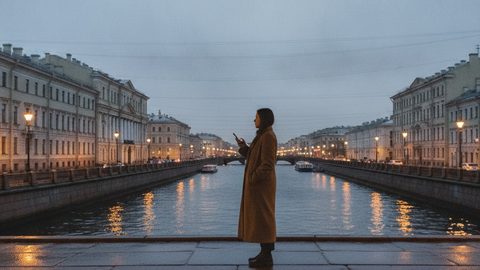 White Nights in Saint Petersburg: What Actually Happens
Discover the reality of the White Nights in Saint Petersburg, from astronomical twilight and bridge schedules to midnight boat trips and street-level logistics. A factual guide to what actually happens during this iconic season.
White Nights in Saint Petersburg: What Actually Happens
Discover the reality of the White Nights in Saint Petersburg, from astronomical twilight and bridge schedules to midnight boat trips and street-level logistics. A factual guide to what actually happens during this iconic season.
-
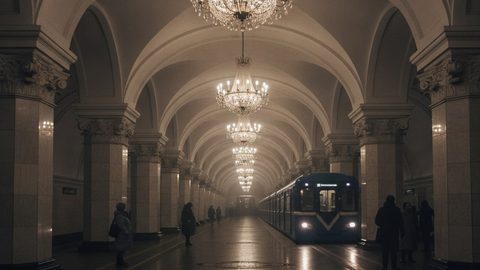 Saint Petersburg Metro: Lines, Stops, and Tips
A comprehensive guide to the Saint Petersburg Metro: history, line-by-line overview, key stations, practical tips, fares, and connection to city attractions.
Saint Petersburg Metro: Lines, Stops, and Tips
A comprehensive guide to the Saint Petersburg Metro: history, line-by-line overview, key stations, practical tips, fares, and connection to city attractions.
-
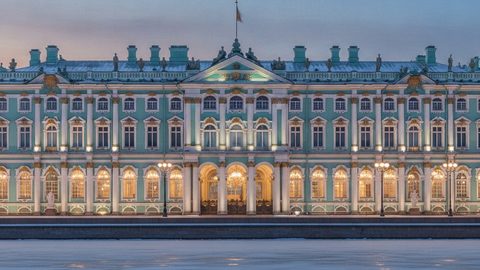 The Hermitage and Winter Palace
A detailed guide to the State Hermitage Museum and the Winter Palace in Saint Petersburg, covering must-see collections, ticket prices, practical visiting tips, and how to navigate the complex.
The Hermitage and Winter Palace
A detailed guide to the State Hermitage Museum and the Winter Palace in Saint Petersburg, covering must-see collections, ticket prices, practical visiting tips, and how to navigate the complex.
-
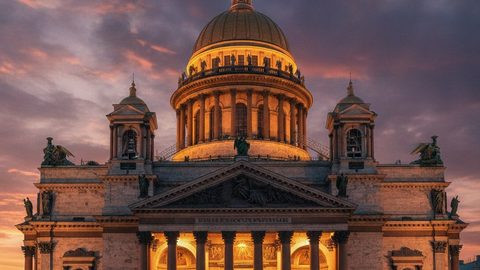 St. Isaac's Cathedral
A detailed guide to St. Isaac's Cathedral in Saint Petersburg, covering its history, architecture, the colonnade observation deck, and the lavish interior. Includes practical visitor information.
St. Isaac's Cathedral
A detailed guide to St. Isaac's Cathedral in Saint Petersburg, covering its history, architecture, the colonnade observation deck, and the lavish interior. Includes practical visitor information.
-
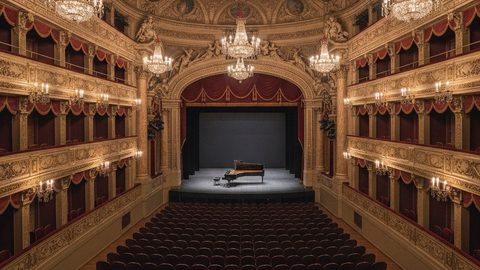 Mariinsky Theatre
A practical guide to booking tickets and attending performances at the Mariinsky Theatre in St Petersburg, covering its three stages, typical repertoire, pricing, and tips for visitors.
Mariinsky Theatre
A practical guide to booking tickets and attending performances at the Mariinsky Theatre in St Petersburg, covering its three stages, typical repertoire, pricing, and tips for visitors.