White Nights or Deep Winter: The Two Saint Petersburgs You Choose Between
White Nights or deep winter? Saint Petersburg transforms completely between June's 19-hour daylight and January's frozen stillness—here is how to choose.

On prices: figures on this page were researched in September 2026 and are given as bands, not quotes. Russian admission and transport prices move often. Note also that foreign Visa and Mastercard do not work in Russia: what you actually pay with is cash or a locally issued card.
White Nights or Deep Winter: the Two Saint Petersburgs You Choose Between
The real difference between visiting Saint Petersburg during White Nights and in deep winter is not a weather forecast. It is a choice between two separate cities that happen to share the same street grid. One stays awake all night under a milky sky, running on canal crowds and champagne corks. The other goes quiet under a frozen Neva, lit by apartment windows at four in the afternoon. Deciding White Nights or winter Saint Petersburg is the first and most expensive decision you will make about this trip. The wrong pick will cost you twice as much money and deliver the opposite experience of what you want.
White Nights run roughly from 11 June to 2 July each year, when civil twilight stretches from 23:25 to 23:55 MSK and sunrise arrives before 03:45 MSK. The sky never reaches astronomical darkness. The drawbridges go up every night from 01:00 to 05:00. The hotel rates go up too. A four star room that costs RUB 4,000 to 9,000 in the depths of winter will run RUB 15,000 to 35,000 in June 2025. You are paying for 19 hours of usable light and the peer pressure of the whole city being outside.
Deep winter runs January and February. Sunset hits 15:50 MSK in late December. Civil twilight ends before 16:40. Snow cover sits at 20 to 40 cm, consistent from December through March. The same four star room costs between RUB 4,000 and 9,000. The theatre sells its cheapest tickets in this window, from RUB 1,500 to 8,000 for a winter weekday. The trade off is that the outdoor city is mostly dark and the canals are solid ice.
Saint Petersburg White Nights Season: What You Actually Get
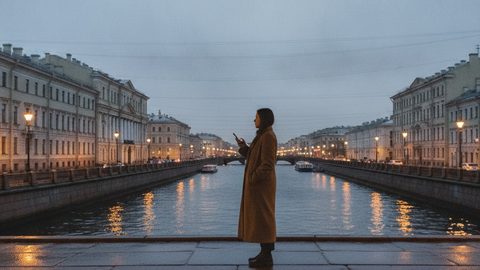
The White Nights season is a 22 day window of peak everything. Light lasts long enough to tour the Hermitage at 10:00, walk Nevsky Prospekt at 16:00, eat on a cafe terrace at 21:00, and still watch the Dvortsovy Bridge (Дворцовый мост) rise at 01:00 under a sky that is not quite dark. The sensation is manic. You do not want to sleep because it still looks like late afternoon.
Scarlet Sails Festival
The Scarlet Sails festival anchors the season on the third Saturday of June. A ship with red sails sails the Neva at midnight past the Troitsky Bridge (Троицкий мост). Fireworks follow. The city fills the embankments. Book your spot on the Palace Embankment by 21:00 or you will be behind a line of people ten deep. This is the only night of the year when the crowd density legitimately matters for safety. Stay on the north side of the Neva to avoid the bridge closure trap.
What Is Actually Open
The Mariinsky Theatre runs its main season from September through July, so White Nights sits inside peak programming. Ballet and opera ticket prices for 2025 range from RUB 5,000 to 25,000. Book months ahead for any performance. The same rule applies to the Hermitage: book the earliest morning slot online days in advance to enter before the cruise ship tour groups arrive.
What Is Closed
Nothing in this season is closed for winter reasons. The river transit season opens 10 April 2025 and closes 30 November 2025, so all boat tours operate. Every drawbridge raises on schedule. The failure case is that every museum and restaurant is also operating at full capacity. You wait. You pay. You share every room.
Saint Petersburg Winter Travel: the Empty City
Winter travel is for the traveller who wants the museums without the queue and the city without the noise. The Hermitage halls in January can feel like a private collection. The Mariinsky on a weekday winter night sells tickets from RUB 1,500 to 8,000, which is roughly the price of coffee and a pastry at the Singer House café during White Nights.
The Frozen Neva
The Neva freezes solid enough to walk on in some shallow sections, though no official path is maintained. The real visual shift is the paired effect: snow cover on the canals makes the whole city look like a 19th century engraving. The drawbridge schedule is irrelevant because the bridges do not raise from December through March. You can cross the Neva on foot at any hour without worrying about being stranded on the wrong island.
What Three Hours Of Daylight Means
You have roughly four usable hours of light between 12:00 and 16:00. Plan your outdoor walking inside that window. Nevsky Prospekt is quieter, Kazan Cathedral is free to enter, and the Church on the Spilled Blood looks exactly as photogenic under snow as it does under June sun. The practical cost is lower and the friction is higher: you need a fur hat, good boots, and a willingness to eat indoors.
New Year Closure
Do not arrive in the first week of January. Russian holidays shut many smaller museums, some restaurants, and any non essential services. The big landmarks like the Hermitage and Peter and Paul Fortress stay open, but the city feels half empty in a way that is haunting rather than peaceful.
Scarlet Sails Festival: the One Night That Defines the Season
The Scarlet Sails festival is the single event that makes the White Nights period distinct from any other travel window. It is a 22:00 to 02:00 open air show on the Neva. The ship enters near the Blagoveshchensky Bridge and sails past the Winter Palace. Fireworks launch from the Peter and Paul Fortress. The crowd on the embankments runs into the hundreds of thousands. The metro stays open later, but the bridges still raise at 01:00. If you are on Vasileostrovsky Island when Dvortsovy Bridge goes up, you are stuck until 05:00 unless you take a taxi via the long detour over the far bridges. Check the drawbridge schedule posted on the city transport website before you choose your viewing spot. Stay on the same side of the Neva as your hotel.
Saint Petersburg November vs June: the Two Worst Candidates Compared
Comparing November and June is not fair. June has problems. November has catastrophes. November is dark, wet, and cold with no snow cover. The river transit season closes 30 November 2025, so the drawbridges stop raising by early December. The boat tours end. The outdoor cafe terraces close. You get the 15:50 sunset of winter without the snow that makes winter beautiful. During this month, usable light averages six hours of weak grey. The Mariinsky season runs, but you will walk there through sleet. The only advantage is hotel rates. A three star room in November costs roughly the same as rates in the deep cold months, but the experience is worse. Skip November entirely. May is a better shoulder month because the river season opens 10 April 2025 and light stretches to 21:30 by mid month, with daytime highs of 12 to 16 C.
Best Season to Visit Saint Petersburg: Three Candidates, One Correct Answer
The best season to visit Saint Petersburg depends entirely on what you value. The honest answer splits three ways.
White Nights: Best For Energy
June 11 to July 2 is the best season if you want the Scarlet Sails festival, the bridge raising spectacle, 19 hours of light, and the Mariinsky at full cast. You pay 2x to 4x the winter rate for a hotel room. You stand in lines. You share the Hermitage with thousands of people. The trade off is that the city is performing at its peak and every element of Saint Petersburg is available, from cafe terraces to midnight boat tours.
September: The Quiet Sweet Spot
September is the best season for the traveller who wants the Mariinsky season running, autumn gold light in the Summer Garden, and hotel rates near winter lows. Mid September sunset occurs around 19:15 to 19:45 MSK. Daytime highs average 12 to 15 C. The river season may still be open depending on the exact closing date. The crowds thin after the first week. The autumn colour in the parks is genuine. The failure case is that the White Nights phenomenon is over and you will not see the midnight sun effect.
Winter: Best For Budget And Solitude
The deep cold months are the best season if you want empty museum halls, the lowest hotel rates in the year, and the visual of a frozen Neva under snow cover. Mariinsky tickets drop to RUB 1,500 to 8,000 for a weekday. You can stand alone in front of every painting in the General Staff Building. The failure case is that you have only four hours of usable light and outdoor activity is limited to walking between metro stations and museum entrances.
Worth it if
- White Nights: 19+ hours of light, Scarlet Sails festival, peak Mariinsky programming, every canal boat and bridge raising operational, cafe terrace culture at midnight
- Winter: 2x to 4x cheaper hotel rates, empty museum halls, Mariinsky tickets from RUB 1,500, frozen Neva and snow cover visuals, no bridge schedule anxiety
- September: autumn gold light, near winter hotel rates, Mariinsky season running, quiet streets, mild 12 to 15 C daytime highs
Skip it if
- White Nights: 2x to 4x hotel rates, crushing crowds at every landmark, must book Hermitage and Mariinsky months ahead, bridge schedule traps the unwary on wrong islands
- Winter: sunset at 15:50, usable light ends by 16:00, no canal boats or outdoor dining, frozen canals preclude boat tours entirely, New Year closures in first week of January
- November: worst of both worlds, dark and wet with no snow, river season ending, 15:50 sunset without the compensation of winter beauty
What White Nights Denies You
White Nights denies you uncrowded museums, quiet streets, low hotel rates, and dark skies. Every benefit of the season has a corresponding cost. The 19 hours of light mean the Hermitage is packed from 10:00 to 18:00. The high season means the four star hotel that costs RUB 4,000 in the cold months costs RUB 15,000 in June. The midnight sun effect means you cannot sleep easily in a standard hotel room without blackout curtains. Pack a sleep mask. Choose a courtyard room if your hotel has one.

What Winter Denies You
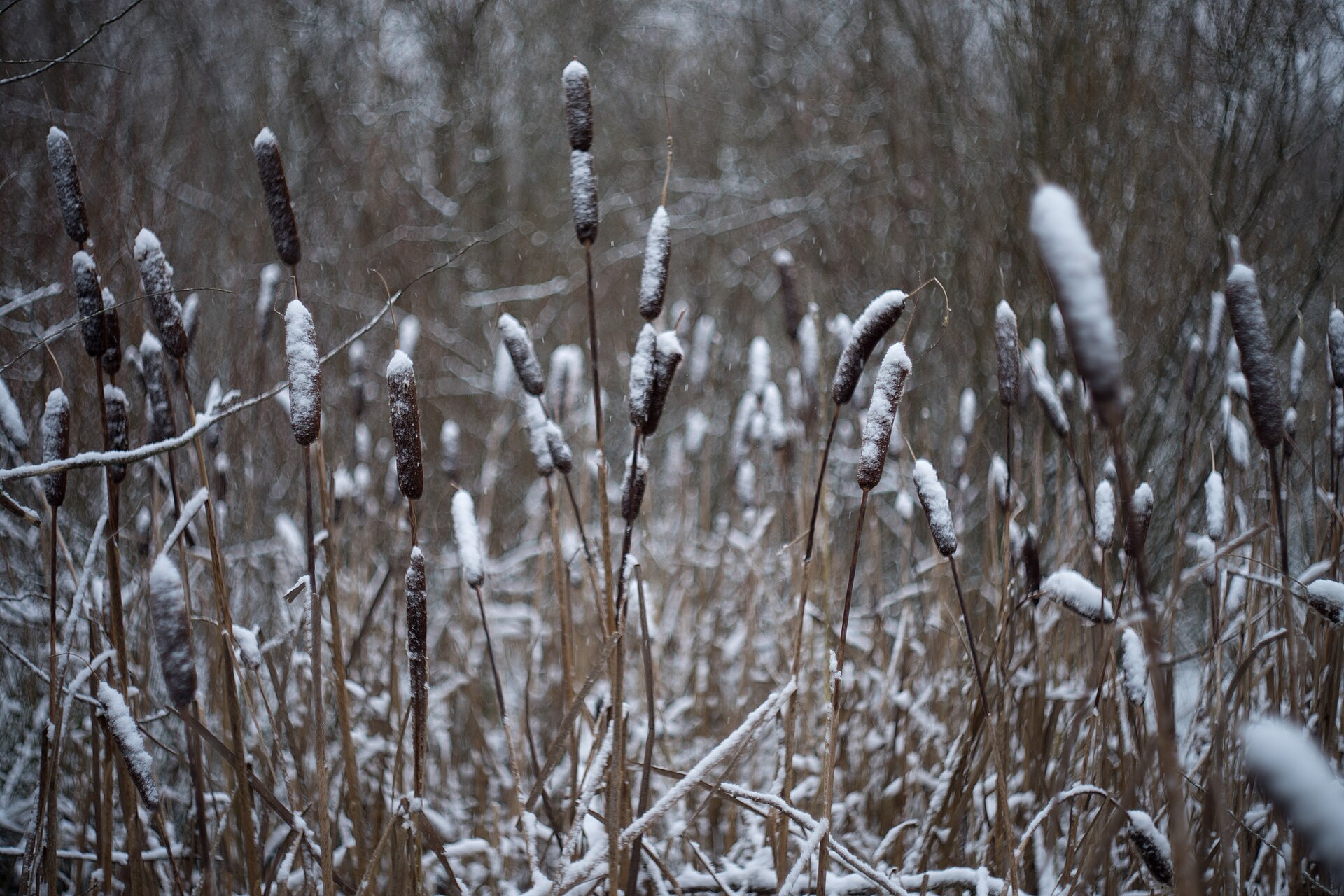
Winter denies you outdoor cafe culture, boat tours, bridge raising spectacle, and light after 16:30. You cannot sit on a cafe terrace during the freeze. You cannot take a canal boat through the Neva. You cannot watch the Dvortsovy Bridge raise because the river season is closed. The trade off is privacy. You share the city with almost nobody. The Mariinsky stage is still active. The restaurant tables are available without a reservation. The snow muffles traffic noise to near silence. The city feels like an indoor experience with an outdoor commute.
What the in Between Seasons Deny You
May denies you the White Nights festival programming and peak ballet casting, with no guarantee of warm weather. Daytime highs average 12 to 16 C. The river season has opened by 10 April, so boat tours run. The light stretches to 21:30. Hotel rates sit below June peak. You get a version of the summer city without the summer price, but you also get the risk of cold rain and no Scarlet Sails.
September denies you the White Nights phenomenon entirely. The leaf colour starts in early October and peaks mid month. The boat season closes with the river season on 30 November, so September boats still run. The crowds thin. The Mariinsky runs. You get autumn gold light in the parks and hotel rates near winter lows. The failure case is that leaf colour diminishes past mid October and the light drops to 19:15 sunset by mid month.
The Structure of Your Day Changes Everything
Your daily schedule in White Nights versus winter is not a matter of degree. It is a different operating manual. During White Nights, you walk the embankments at 23:00 because it is still light enough to read a book. The drawbridge schedule dictates your route home. You eat dinner late because the sun tells you it is still afternoon. You buy a sleep mask and close the curtains tight at 02:00.
In winter, you move between indoor spaces. You walk from the metro to the Hermitage in 15 minutes of light. You eat lunch at 12:30 because that is the brightest hour. You watch the sun set at 15:50 and then spend the next six hours in museums, theatres, or restaurants. The city becomes a series of heated rooms connected by cold passages. You carry cash for tea at Stolovaya No. 1, a cafeteria chain that serves pelmeni and vinigret salad for under RUB 400. You wear a fur hat. You do not stand still outside.
The Hermitage Is The Same Building But A Different Experience
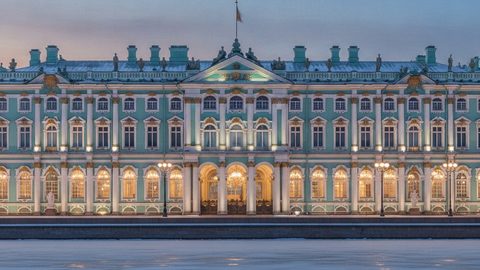
During White Nights, the Hermitage queue snakes across Palace Square by 09:30. The earliest morning slot online gets you inside before the tour groups. You pick one wing or a two hour highlights route because the collection is vast and exhausting. During winter, you walk in at 10:30 with a 10 minute queue. You can afford to wander. The reading room in the General Staff Building feels like a private study.
The Mariinsky Theatre: Price and Programming by Season
The Mariinsky Theatre (Мариинский театр) runs its main season from September through July. White Nights delivers peak casting and peak prices, with tickets from RUB 5,000 to 25,000 for 2025. Winter weekdays drop to RUB 1,500 to 8,000. The high season windows are White Nights and the December January holiday period. Book months ahead for any summer performance. A winter weekday performance can be booked a week ahead with confidence. The ballet quality does not drop in the cold months. The audience size drops. That is the difference.
The One Thing That Most Often Goes Wrong
The single failure that ruins more trips than any other is the bridge schedule. A traveller staying on Vasileostrovsky Island goes to a restaurant on Dvortsovy Okrug, stays out past 01:00, and discovers that Dvortsovy Bridge is raised until 05:00. The metro closes between 00:30 and 05:45. The only option is a taxi using the far south detour, which costs RUB 1,500 and takes 40 minutes. The fix is to know which bridge raises and when, and to never cross the Neva in the last hour before the schedule says it will go up. The bridge is what makes White Nights and deep winter different. Choose your season, then choose your side of the river.
Read next
-

 Mid-Range Hotels: Comfortable Stays Without Breaking the Bank
Discover the best mid-range hotels in Saint Petersburg, offering a balance of comfort, location, and value. From boutique hotels on Nevsky Prospekt to modern apartments, find affordable stays that don't skimp on quality.
Mid-Range Hotels: Comfortable Stays Without Breaking the Bank
Discover the best mid-range hotels in Saint Petersburg, offering a balance of comfort, location, and value. From boutique hotels on Nevsky Prospekt to modern apartments, find affordable stays that don't skimp on quality.
-
 Best Areas to Stay in Saint Petersburg: A District Guide
Discover the best areas to stay in Saint Petersburg, from the historic centre around Nevsky Prospekt to the artsy streets of Petrograd Side. This guide covers neighborhoods, hotels, transport links, and local tips for every budget.
Best Areas to Stay in Saint Petersburg: A District Guide
Discover the best areas to stay in Saint Petersburg, from the historic centre around Nevsky Prospekt to the artsy streets of Petrograd Side. This guide covers neighborhoods, hotels, transport links, and local tips for every budget.
-
 Current Flight Routes to Saint Petersburg from Europe and Asia
A comprehensive guide to current flight routes connecting Saint Petersburg with major European and Asian hubs. Includes airline details, estimated prices, booking tips, and entry requirements.
Current Flight Routes to Saint Petersburg from Europe and Asia
A comprehensive guide to current flight routes connecting Saint Petersburg with major European and Asian hubs. Includes airline details, estimated prices, booking tips, and entry requirements.
-
 Saint Petersburg Things to Do Beyond the Hermitage and the Main Sights
Saint Petersburg rewards slowing down. Discover canal-side walks, local food halls, rooftop views, and quiet neighbourhoods beyond the Hermitage crowds.
Saint Petersburg Things to Do Beyond the Hermitage and the Main Sights
Saint Petersburg rewards slowing down. Discover canal-side walks, local food halls, rooftop views, and quiet neighbourhoods beyond the Hermitage crowds.
-
 White Nights in Saint Petersburg: What Actually Happens
Discover the reality of the White Nights in Saint Petersburg, from astronomical twilight and bridge schedules to midnight boat trips and street-level logistics. A factual guide to what actually happens during this iconic season.
White Nights in Saint Petersburg: What Actually Happens
Discover the reality of the White Nights in Saint Petersburg, from astronomical twilight and bridge schedules to midnight boat trips and street-level logistics. A factual guide to what actually happens during this iconic season.
-
 Saint Petersburg Metro: Lines, Stops, and Tips
A comprehensive guide to the Saint Petersburg Metro: history, line-by-line overview, key stations, practical tips, fares, and connection to city attractions.
Saint Petersburg Metro: Lines, Stops, and Tips
A comprehensive guide to the Saint Petersburg Metro: history, line-by-line overview, key stations, practical tips, fares, and connection to city attractions.
-
 The Hermitage and Winter Palace
A detailed guide to the State Hermitage Museum and the Winter Palace in Saint Petersburg, covering must-see collections, ticket prices, practical visiting tips, and how to navigate the complex.
The Hermitage and Winter Palace
A detailed guide to the State Hermitage Museum and the Winter Palace in Saint Petersburg, covering must-see collections, ticket prices, practical visiting tips, and how to navigate the complex.
-
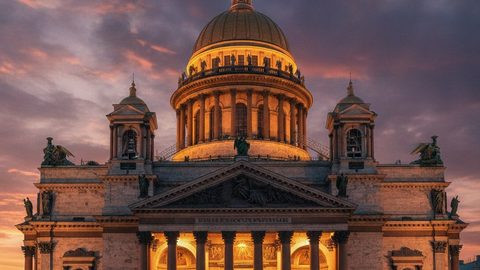 St. Isaac's Cathedral
A detailed guide to St. Isaac's Cathedral in Saint Petersburg, covering its history, architecture, the colonnade observation deck, and the lavish interior. Includes practical visitor information.
St. Isaac's Cathedral
A detailed guide to St. Isaac's Cathedral in Saint Petersburg, covering its history, architecture, the colonnade observation deck, and the lavish interior. Includes practical visitor information.
-
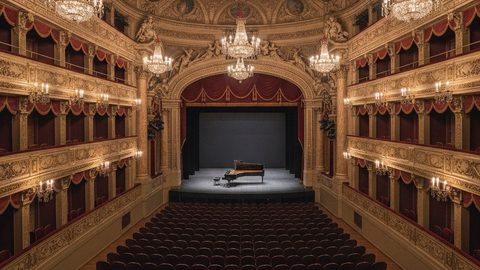 Mariinsky Theatre
A practical guide to booking tickets and attending performances at the Mariinsky Theatre in St Petersburg, covering its three stages, typical repertoire, pricing, and tips for visitors.
Mariinsky Theatre
A practical guide to booking tickets and attending performances at the Mariinsky Theatre in St Petersburg, covering its three stages, typical repertoire, pricing, and tips for visitors.