The Summer Garden in Saint Petersburg: The Oldest Park and Its Seasons
The Summer Garden is Saint Petersburg's oldest park, a formal grid of marble statues, lime trees, and fountains with no grand palace to tour.
On prices: figures on this page were researched in September 2026 and are given as bands, not quotes. Russian admission and transport prices move often. Note also that foreign Visa and Mastercard do not work in Russia: what you actually pay with is cash or a locally issued card.
The Summer Garden in Saint Petersburg: the Oldest Park and Its Seasons
Arrive expecting a palace and you will be confused. The name suggests something grand, a smaller Peterhof perhaps. What you find instead is a formal French garden: 11.7 hectares of straight lime-tree avenues, marble statues, and a single modest two-storey house that Peter the Great built for himself. That house, the Summer Palace, has only 14 rooms. It is often closed for maintenance or locked behind its own ticket booth. The garden itself, not the building, is the attraction. The Summer Garden Saint Petersburg operates as a seasonal pleasure ground. Take it slowly across multiple visits. Do not treat it as a stop on a checklist.
- Russian Name: Летний сад (Letny Sad)
- Address: набережная Кутузова, 2 (Kutuzova Embankment, 2)
- Founded: 1704 by Peter the Great
- Area: 11.7 hectares
- Garden Type: Regular French formal garden
- Main Entrance: Kutuzova Embankment gate through the Felten fence
- Nearest Metro: Nevsky Prospekt, Gostiny Dvor, or Chernyshevskaya
- Entry Fee (Foreign Citizens 2025): 600 RUB; free for children under 16 and all visitors on the third Thursday of each month
- Regular Closure: Tuesdays; also closed for the entire month of April for drying (prosushka)
- Managing Body: State Russian Museum
A Garden Built for Walking, Not for Crowds
Peter the Great ordered the Summer Garden laid out in 1704, making it the oldest park Saint Petersburg has. The original designer was the Dutch gardener Jan Roosen. Later the French architect Jean-Baptiste Le Blond reshaped it in the 1710s and 1720s. This is not a wild English landscape park. It is a regular garden: straight sightlines, clipped hedges, fountains arranged on a grid. The design forces you to walk slowly. The paths are gravel. The shade comes from mature lime trees planted in straight rows. There is no grand central building to enter and exit, no indoor gallery that consumes two hours. The garden is the gallery.
Choose Your Season Before You Go
The primary question is not whether the Summer Palace is open, but which season you will see. Late May brings lilac bloom along the Swan Canal side. July offers deep green shade and crowded benches. September turns the lime trees gold. February leaves the marble copies standing in snow, the wrought-iron fence a black line against white. Each season justifies a separate visit. The garden rewards the repeat traveller, not the one who tries to see everything in a single afternoon.
The Statues: Original Marble, Now Indoors
Why the Statues Outside Are Copies
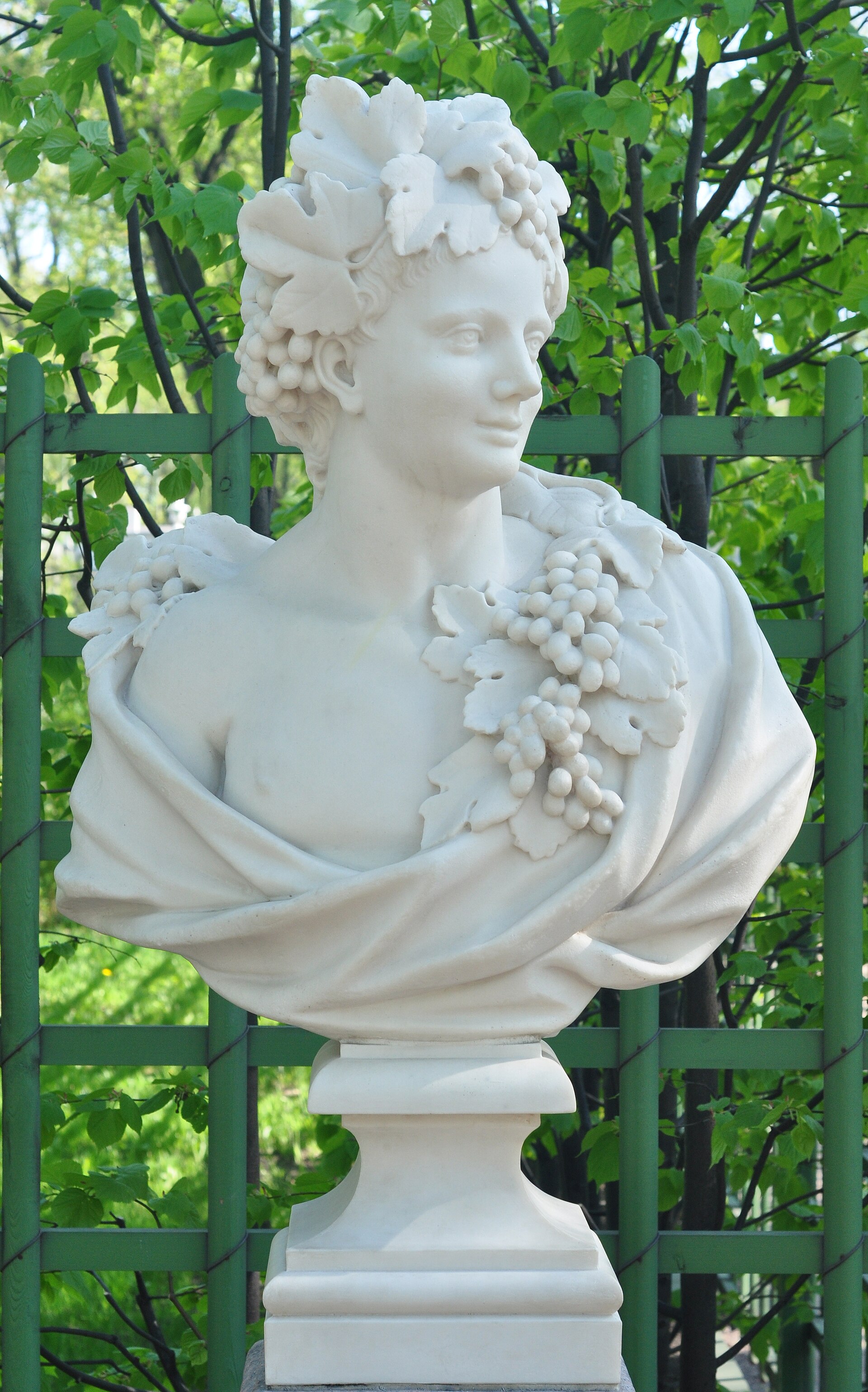
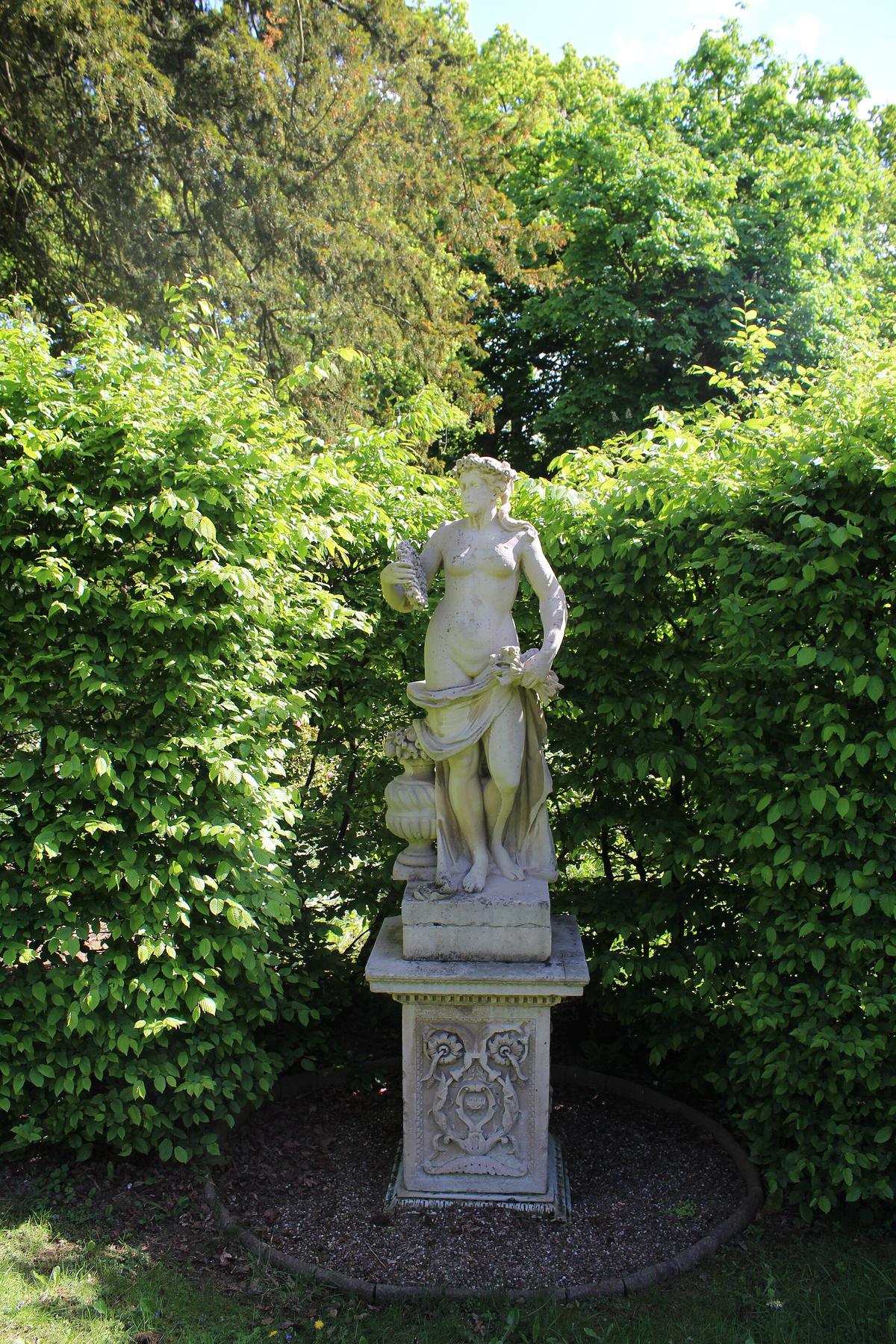
The Summer Garden statues Saint Petersburg visitors see today are not the originals. Peter the Great acquired roughly 200 Carrara marble sculptures from Italy in the early 1700s, mostly Italian Baroque work from the late 17th and early 18th centuries. By the late 20th century, 92 remained. During the 2009-2011 restoration, all 92 were moved indoors for conservation. The outdoor replacements are artificial marble made from a polymer composite. They look convincing from a distance. Up close, the surface feels different and the weathering is less irregular than real stone.
Where to Find the Originals
The genuine sculptures now live in the Hall of the Summer Garden Sculptures at Mikhailovsky Castle, also called the Engineers Castle. That hall is part of the Russian Museum complex and requires a separate ticket. The most famous piece, the Venus statue that originally stood here, is not among them. That Venus was lost or relocated centuries ago. What you see in the northern parterre is the group Peace and Abundance by Pietro Baratta, a copy of a copy. The originals worth seeking are the ones that stayed in Russia and now sit under controlled climate conditions a short walk from the garden itself.
The Summer Garden Iron Fence: a Landmark of Its Own
The Summer Garden iron fence, designed by Yury Felten and built between 1771 and 1784, runs 232 metres along the Neva riverfront. It is wrought iron with granite pillars, three gates, and a pattern of vertical bars topped with gilded finials. This fence is one of the most photographed objects in the city, and for good reason. The gate at the main entry on Kutuzova Embankment frames the garden in a way that makes the interior look deeper than it is. The ironwork is delicate enough to feel like lace, heavy enough to signal imperial ownership. Walk the full length of it along the riverfront before entering. The view from the outside, across the Neva toward the Peter and Paul Fortress, is as good as anything inside.
Letny Sad Saint Petersburg: Practical Entry
Letny Sad Saint Petersburg, the Russian name for the Summer Garden, is managed by the State Russian Museum. Entry costs 600 RUB for foreign citizens as of 2025, or 300 RUB for Russian citizens. Children under 16 enter free. The third Thursday of each month is free for everyone. Pay with cash in rubles. Visa and Mastercard issued outside Russia do not work here, a sanctions reality that applies across the city. Bring small bills.
Opening Hours and Annual Closures
Opening hours vary by season, but the garden closes every Tuesday year-round. April is a full closure for prosushka, the drying period that protects the soil and plantings after the winter thaw. The exact dates shift with the weather, so check the Russian Museum website in March. The garden can also close on short notice during hurricane-force wind warnings, as happened on 1 October 2024. If you travel in spring or autumn, have a backup plan for that afternoon.
Which Gate to Use
The main entry is on Kutuzova Embankment through the Felten fence. A second access point exists on Moika Embankment at the Swan Canal bridge. Use the Moika side if you are coming from the Church on the Spilled Blood or the Mikhailovsky Castle side. The Neva approach is the photogenic one. The Moika approach is quieter and drops you near the Tea House and Pigeon House, two small pavilions that once served the court and now stand empty or hold minor exhibits.
What to See Inside: Fountains, Pavilions, and the Missing Palace
The garden contains a restored fountain system, originally fed by the Swan Canal and the Fontanka River. The fountain restoration during the 2009-2011 project brought water back to basins that had been dry for decades. The central fountain is the largest, but the smaller ones along the lateral avenues are more pleasant because fewer people gather around them.
The Tea House and the Pigeon House are the only surviving garden pavilions. Neither is essential. The Tea House sometimes holds small temporary exhibitions included in the garden ticket. The Pigeon House is a decorative structure with no interior access. Skip them if your time is limited.
The wooden Summer Palace, Peter the Great's actual residence, sits in the northeast corner. It is small, 14 rooms, Petrine Baroque by Domenico Trezzini, built 1710-1712. It is a branch of the Russian Museum. It is often closed. When it is open, entry requires a separate ticket and you must wait for a timed slot. The interior is spare: low ceilings, narrow staircases, Dutch tile stoves, and the original study where Peter worked. If the queue is long or the door is locked, do not rearrange your day. The garden itself is the point.
.JPG)

Mistakes Most Visitors Make
The common mistake is treating the Summer Garden as a quick walk-through between the Hermitage and the Church on the Spilled Blood. That approach works against the garden. The gravel paths, the uniform spacing of the lime trees, the repetition of the statues along the avenues, all of it is designed for a slow pace. Sit on a bench for fifteen minutes. Watch how the light changes on the Neva side. Come back in a different season.
A second mistake is ignoring the restoration history. The garden you see today is not the romantic, overgrown space that locals remember from the 1990s. The 2009-2011 restoration removed mature trees, replaced historic soil, installed modern lighting and CCTV, and tightened the planting beds. Some residents still resent the loss of what they call romantic neglect. The garden is now cleaner, more controlled, and less mysterious. Accept that and look for the original design intention rather than expecting wilderness.
Who the Summer Garden Suits and Who Should Skip it
The Summer Garden suits travellers who want a softer, more European introduction to Saint Petersburg than the Hermitage provides. It suits architecture and art history obsessives who understand that the marble copies are not the originals but want to see the setting anyway. It suits anyone who enjoys long, aimless canal-side walks and late-night summer light, because the garden stays open late during White Nights and the fence glows against the dusk.
Skip the Summer Garden if you are on a tight one-day schedule and the Hermitage and the Church on the Spilled Blood are your priorities. Skip it if you dislike formal, static gardens with no naturalistic planting. Skip it if you are visiting in April when it is closed, or in November when the bare trees and grey sky drain the colour from the space. Come in September for the golden leaves or in June for the lilacs. Those months are when the garden justifies its reputation.
Common Questions
Is there actually a palace inside the Summer Garden?
There is a palace, but it is small. The Summer Palace of Peter I has only 14 rooms and is often closed. The garden, not the palace, is the main attraction.
How much does it cost to enter the Summer Garden?
600 RUB for foreign citizens as of 2025, 300 RUB for Russian citizens. Children under 16 enter free. The third Thursday of each month is free for everyone. Pay with cash in rubles.
Why are the statues outside made of artificial marble?
The original Carrara marble sculptures were moved indoors during the 2009-2011 restoration for conservation. The outdoor replacements are polymer composite copies. The originals are at Mikhailovsky Castle.
What are the Summer Garden opening hours?
The garden closes every Tuesday year-round. It is also closed for the entire month of April for the drying period. It may close on short notice during hurricane-force winds.
Which entrance should I use?
The main gate on Kutuzova Embankment through the Felten fence is the photogenic one. The Moika Embankment access at the Swan Canal bridge is quieter and closer to the Church on the Spilled Blood.
Can I use a credit card to buy a ticket?
No. Visa and Mastercard issued outside Russia do not work. Bring cash in rubles.
What is the best season to visit the Summer Garden?
Late May for lilac bloom along the Swan Canal, September for golden lime-tree leaves, and June during White Nights for extended evening light.
Read next
-

 Mid-Range Hotels: Comfortable Stays Without Breaking the Bank
Discover the best mid-range hotels in Saint Petersburg, offering a balance of comfort, location, and value. From boutique hotels on Nevsky Prospekt to modern apartments, find affordable stays that don't skimp on quality.
Mid-Range Hotels: Comfortable Stays Without Breaking the Bank
Discover the best mid-range hotels in Saint Petersburg, offering a balance of comfort, location, and value. From boutique hotels on Nevsky Prospekt to modern apartments, find affordable stays that don't skimp on quality.
-
 Best Areas to Stay in Saint Petersburg: A District Guide
Discover the best areas to stay in Saint Petersburg, from the historic centre around Nevsky Prospekt to the artsy streets of Petrograd Side. This guide covers neighborhoods, hotels, transport links, and local tips for every budget.
Best Areas to Stay in Saint Petersburg: A District Guide
Discover the best areas to stay in Saint Petersburg, from the historic centre around Nevsky Prospekt to the artsy streets of Petrograd Side. This guide covers neighborhoods, hotels, transport links, and local tips for every budget.
-
 Current Flight Routes to Saint Petersburg from Europe and Asia
A comprehensive guide to current flight routes connecting Saint Petersburg with major European and Asian hubs. Includes airline details, estimated prices, booking tips, and entry requirements.
Current Flight Routes to Saint Petersburg from Europe and Asia
A comprehensive guide to current flight routes connecting Saint Petersburg with major European and Asian hubs. Includes airline details, estimated prices, booking tips, and entry requirements.
-
 Saint Petersburg Things to Do Beyond the Hermitage and the Main Sights
Saint Petersburg rewards slowing down. Discover canal-side walks, local food halls, rooftop views, and quiet neighbourhoods beyond the Hermitage crowds.
Saint Petersburg Things to Do Beyond the Hermitage and the Main Sights
Saint Petersburg rewards slowing down. Discover canal-side walks, local food halls, rooftop views, and quiet neighbourhoods beyond the Hermitage crowds.
-
 White Nights in Saint Petersburg: What Actually Happens
Discover the reality of the White Nights in Saint Petersburg, from astronomical twilight and bridge schedules to midnight boat trips and street-level logistics. A factual guide to what actually happens during this iconic season.
White Nights in Saint Petersburg: What Actually Happens
Discover the reality of the White Nights in Saint Petersburg, from astronomical twilight and bridge schedules to midnight boat trips and street-level logistics. A factual guide to what actually happens during this iconic season.
-
 Saint Petersburg Metro: Lines, Stops, and Tips
A comprehensive guide to the Saint Petersburg Metro: history, line-by-line overview, key stations, practical tips, fares, and connection to city attractions.
Saint Petersburg Metro: Lines, Stops, and Tips
A comprehensive guide to the Saint Petersburg Metro: history, line-by-line overview, key stations, practical tips, fares, and connection to city attractions.
-
 The Hermitage and Winter Palace
A detailed guide to the State Hermitage Museum and the Winter Palace in Saint Petersburg, covering must-see collections, ticket prices, practical visiting tips, and how to navigate the complex.
The Hermitage and Winter Palace
A detailed guide to the State Hermitage Museum and the Winter Palace in Saint Petersburg, covering must-see collections, ticket prices, practical visiting tips, and how to navigate the complex.
-
 St. Isaac's Cathedral
A detailed guide to St. Isaac's Cathedral in Saint Petersburg, covering its history, architecture, the colonnade observation deck, and the lavish interior. Includes practical visitor information.
St. Isaac's Cathedral
A detailed guide to St. Isaac's Cathedral in Saint Petersburg, covering its history, architecture, the colonnade observation deck, and the lavish interior. Includes practical visitor information.
-
 Mariinsky Theatre
A practical guide to booking tickets and attending performances at the Mariinsky Theatre in St Petersburg, covering its three stages, typical repertoire, pricing, and tips for visitors.
Mariinsky Theatre
A practical guide to booking tickets and attending performances at the Mariinsky Theatre in St Petersburg, covering its three stages, typical repertoire, pricing, and tips for visitors.